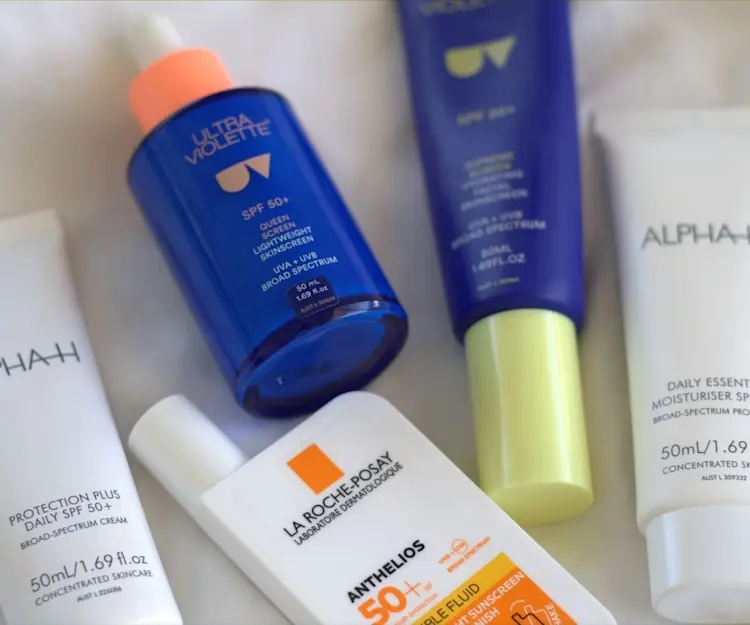
Here are some of the best-selling / highly recommended sunscreens for melasma / hyperpigmentation + a curated selection of strong product options.
1. Eucerin Pigment Control Tinted Sun Gel‑Cream SPF50+
Pros:
- Specifically labelled “Pigment Control” so it’s formulated with pigmentation concerns in mind.
- Tinted finish, which helps provide not just UV protection but some visible-light/HEV light defence (important for pigmentation) — see the discussion of iron oxides & tinted formulas. Clinical Cosmetics+1
- High SPF50 — hits the “pigmentation-focused” protection target.
- Gel-cream texture may offer a more comfortable feel and help everyday use compliance.
Cons:
- The tinted finish means you’ll need to check the shade works well with your skin tone; if it doesn’t match, you may dislike how it looks and hence use less.
- Might cost more than a basic “just sunscreen” product.
- The “pigment control” label doesn’t guarantee perfect visible-light/iron-oxide filtering; you’ll still want to check ingredient list (iron oxides, etc) if visible light is a major concern.
- As with any sunscreen, it’s only one part of managing pigmentation/melasma — you still need hats, shade, reapplication.
2. La Roche‑Posay Anthelios UVmune 400 Anti‑Dark Spot Fluid
Pros:
- A “dark-spot” specific claim (“Anti-Dark Spot”) which is very relevant for pigmentation-prone skin.
- From a well-known dermatological skincare brand, which may give confidence in formulation and filter technology.
- Good reviews for targeting dark spots + sunscreen simultaneously.
Cons:
- As a more “treatment-oriented” product, price may be higher than standard everyday sunscreens.
- The finish/makeup compatibility may be less ideal for some (depending on texture, tint, skin type) — if texture doesn’t feel pleasant you may underuse it.
- Even if it targets dark spots, it may still not include all factors for visible light/HEV protection (or if it does, you’ll need to verify) — tinted + iron oxides still matter.
- Requires consistent use + supportive sun-safe behaviour to be fully effective.
3. La Roche‑Posay Anthelios Invisible Fluid SPF50+
Pros:
- High SPF50, broad-spectrum protection — meets foundational requirement for pigmentation-prevention.
- “Invisible fluid” finish implies lighter texture, more comfortable wear under makeup, or in humid conditions (Australia) — good for consistent use.
- Well-reviewed and trusted brand.
Cons:
- It may not be tinted or may lack strong visible-light/iron-oxide filter features — so though very good for UV protection, may be less optimal for pigmentation triggered by visible light. Clinical Cosmetics+1
- If you have deeper skin tones, or visible light is a big trigger (as it often is with melasma), you might prefer a version that explicitly says “iron oxides” / tinted.
- Finish may favour feel over “pigmentation-specific” active features — if your key concern is pigmentation you might sacrifice some cosmetic feel or price premium for specialised formula.
4. Dr.G Brightening Up Sun+ SPF50+ PA+++ “Brightening”
Pros:
- Largely budget-friendly compared to some high-premium sunscreens.
- The “Brightening” name suggests some focus on pigmentation/dark spots rather than just sun protection.
- Good option if you want to try something more affordable with pigment-focus, or if you want a secondary sunscreen for reapplication/outdoors.
Cons:
- Might not have the full depth of “pigment-control” features that premium brands include (e.g., iron oxides + strong visible-light filters + actives) — you’ll want to check ingredients.
- Finish and wearability may differ from premium counterparts — possibly heavier, less refined.
- As always, even a good sunscreen won’t completely fix existing pigmentation — you’ll still need supporting treatments/habits.
⚠️ Tips for Choosing & Using Sunscreen for Melasma
- Tinted versions can help some camouflage and also improve compliance (more likely to reapply if looks good).
- Go for mineral or combination filters (zinc oxide and/or titanium dioxide) + tint / iron oxides if possible, especially for visible light protection.
- Choose high UVA protection (look for UVA rating on the label, or “PA++++”, “UVA-PF”, etc.).
- SPF 50+ is ideal for daily use; reapply every 2 hours when exposed to sun.
- Gentle formulas (fragrance-free, low irritation) help avoid triggering more pigmentation.
Special Tip for Melasma & Pigmentation
- Tinted sunscreens with iron oxides help protect against visible light (blue light), which also triggers dark spots.
- Always combine sunscreen with hats, sunglasses, and shade for full protection.
Here two of the best-pigmentation sunscreens
1. La Roche‑Posay Anthelios Invisible Fluid SPF 50+
Listing & variant info:
- On Amazon Australia: “La Roche-Posay Anthelios XL Dry Touch Tinted Facial Sunscreen SPF50+ 50 ml” listing. Amazon Australia
- From the listing: “Very high UVA/UVB broad spectrum protection … universal tinted finish” (50 ml) Amazon Australia
- Price example listed: A$31.16 (per earlier mention) and in listing ~$31.16. Also a separate listing shows ~$27.26 with 30% savings. Amazon Australia
- Variant: “tinted finish” / “universal tinted” — important for pigmentation/visible light concerns.
2. Eucerin Sun Pigment Control Tinted Gel‑Cream SPF 50+
Listing & variant info:
- Amazon Australia listing: “Eucerin Sun Pigment Control Sun Tinted Gel-Cream SPF50+ Medium 50 ml” (ASIN B0B3J573H1) with price and reviews.
- The product description: “very high sun protection while helping to reduce and prevent hyperpigmentation.” Amazon Australia
How to pick & use for pigmentation/melasma
Here are some tailored tips based on the latest evidence to pick and use the best sunscreen for pigmentation concerns in Australia.
Key features to prioritise
- Tinted formulas containing iron oxides — visible light (including blue/HEV) is now well recognised as a driver of pigment disorders like melasma and post-inflammatory hyperpigmentation.Clinical Cosmetics+1
- Broad spectrum (UVA + UVB) — The Australian ACD/derm information notes that sunscreens with the same SPF can have very different UVA protection; so broad spectrum labelling is crucial.ACD
- Mineral or hybrid filters + pigment grade ingredients — For pigmentation issues, non-micronised titanium dioxide, zinc oxide + iron oxides appear more effective.DermNet®+1
- Finish & wearability — Since consistency is king for managing pigmentation, you want a product you enjoy wearing daily. Texture, feel under makeup, shade match (for tinted) matter a lot.
- Reapplication & other sun-safe habits — Even the best sunscreen won’t help fully if you skip reapplication, ignore shade/hats, or expose yourself repeatedly. Sunscreen is one pillar of a broader regimen.
How to use them effectively
- Apply generously (most guidance says ~2 mg/cm² of skin) to your face/neck every morning.
- Reapply every 2-3 hours if exposed to sun, after sweating, swimming, towelling.
- Use other protective measures: wide-brim hat, sunglasses, avoid midday peak sun, consider window/indoor exposure (visible/UV can still penetrate glass) especially if you have visible-light sensitive pigmentation.
- Use tinted/iron-oxide sunscreens especially if your skin tone is deeper or you see visible light (indoors near windows) as a trigger.Dermatology Times+1
- Pair sunscreen with whatever your dermatologist has recommended for your melasma or pigmentation (topical treatments, lifestyle changes) — sunscreen protects to prevent worsening, but doesn’t “erase” pigment on its own.
Your Glow Journey Continues:
Every day you protect your skin, you’re one step closer to confidence. Melasma may take patience, but it doesn’t define your beauty — your commitment does. Keep glowing, keep protecting, and let your skincare tell your story.